
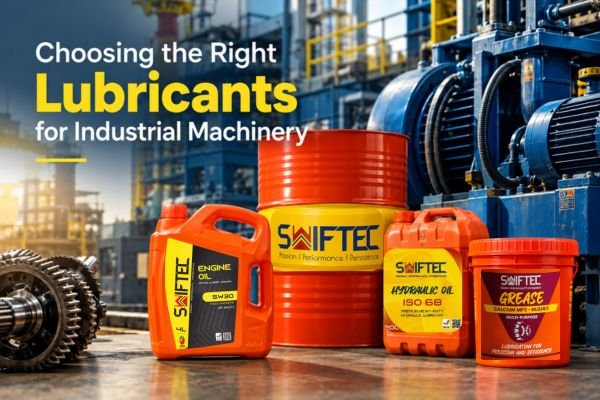
Industrial machinery requires suitable lubrication to operate efficiently, reduce friction, and maintain consistent performance under demanding conditions. Selecting the correct lubricant depends on equipment design, operating temperature, load requirements, and the working environment. Businesses across manufacturing, construction, marine operations, and heavy industries rely on quality products from experienced Lubricant Companies in UAE to protect machinery and control maintenance costs. From Construction Industry oils and Construction Lubricants to hydraulic fluids and engine oils, choosing the right product from reliable Lubricant suppliers is essential for long term equipment reliability. Understanding lubricant properties and applications helps businesses make informed decisions and improve operational efficiency.
Understanding the Importance of Industrial Lubricants
Industrial lubricants play an important role in reducing friction between moving components. Without proper lubrication, metal surfaces can experience excessive wear, overheating, and premature damage. The right lubricant creates a protective film between components, helping machinery 0.operate smoothly even under heavy loads and continuous working conditions. An experienced Industrial Lubricant supplier can help businesses identify suitable products based on their equipment specifications and operating requirements. Lubricants also support heat dissipation, corrosion protection, and contamination control. These benefits are particularly important in manufacturing facilities, construction sites, warehouses, and industrial plants where unexpected equipment failure can interrupt production.
Factors to Consider When Choosing Industrial Lubricants
Equipment Specifications and Operating Conditions
Every machine has specific lubrication requirements. Hydraulic systems, industrial engines, gearboxes, compressors, and bearings require products with different properties. Before selecting a lubricant, businesses should review the equipment manufacturer's recommendations, including the required viscosity grade, performance standards, and lubricant type.Operating conditions must also be considered. Machinery working under heavy loads, high temperatures, dusty conditions, or continuous operation may require specialised formulations. Businesses should consult qualified Lubricant suppliers to ensure the selected product matches the equipment's requirements rather than relying on price or general product descriptions alone.
Viscosity and Temperature Resistance
Viscosity describes a lubricant's resistance to flow and is one of the most important factors in lubricant selection. Oil that is too thick may increase energy consumption and restrict circulation, while oil that is too thin may not provide sufficient protection between moving surfaces. Temperature also influences lubricant performance. Equipment operating in hot environments requires products that maintain their protective properties under elevated temperatures. Choosing the correct viscosity grade helps maintain lubrication efficiency, reduce component wear, and support reliable machinery operation.
Selecting the Right Hydraulic Oil and Fluid
Hydraulic systems are widely used in industrial production, construction equipment, material handling, and heavy machinery. Hydraulic oil transfers power, lubricates internal components, protects against corrosion, and helps manage operating temperatures. Selecting the correct fluid is essential for maintaining system pressure and preventing unnecessary wear. A reliable Hydraulic oil Manufacturer can provide products developed for specific hydraulic applications. Similarly, a qualified Hydraulic fluid Manufacturer can help businesses identify formulations compatible with their pumps, valves, seals, and operating conditions.
Companies looking for Hydraulic oil suppliers in dubai should evaluate product quality, technical support, and supply consistency. Working with a dependable Hydraulic oil supplier or Hydraulic fluid supplier helps ensure that machinery receives the correct fluid and that maintenance schedules can be maintained without unnecessary delays. For heavy equipment used on construction sites, construction equipment lubricants must withstand demanding loads, dust exposure, and variable operating temperatures. Selecting appropriate hydraulic fluids and related lubricants can help reduce equipment downtime and support productivity.
Choosing Lubricants for Construction and Heavy Equipment
Construction machinery often operates for extended hours in challenging environments. Excavators, loaders, cranes, and other heavy equipment experience significant mechanical stress. Suitable Construction Lubricants help protect engines, hydraulic systems, bearings, and gears against wear and contamination. Businesses sourcing Construction Industry oils should consider the machine type, workload, environmental conditions, and manufacturer's recommendations. Products designed for heavy duty applications can help maintain consistent performance when equipment is exposed to dust, heat, and high mechanical loads. A knowledgeable supplier can recommend compatible products for different machines and applications. This is particularly valuable for construction companies managing mixed equipment fleets, as the correct lubrication strategy helps improve maintenance planning and reduce avoidable repair expenses.
Understanding Engine Oils and Specialised Lubricants
Engine oils protect internal engine components by reducing friction, controlling deposits, and helping manage heat. Selecting the correct oil depends on engine design, manufacturer specifications, operating temperature, and service requirements. Businesses comparing Engine oil Lubricants should consider the recommended viscosity grade and required performance standards. A suitable Lubricant for Engine applications can support engine cleanliness, reliable operation, and component protection when used according to the manufacturer's instructions.
Companies searching for a Bulk Engine Oil Supplier may benefit from consistent product availability and suitable supply arrangements for workshops, fleets, and industrial operations. However, purchasing in bulk should not mean compromising on quality or using the same formulation for every engine. The same principle applies to specialised products. A dependable lithium grease manufacturer can provide grease for applications requiring suitable consistency, mechanical stability, and resistance to operating conditions. Brake fluid supplier selection is also important for vehicle and equipment braking systems, where fluid compatibility and specified performance standards must be maintained.
Working With Reliable Lubricant Manufacturers and Distributors
Choosing a supplier involves more than comparing product prices. Businesses should assess product documentation, technical guidance, quality consistency, and the supplier's ability to meet ongoing requirements. Established UAE Lubricant Manufacturers and Lubricant oil Manufacturers may offer products for automotive, industrial, construction, and marine applications. When evaluating Lubricants Manufacturer in UAE options, businesses should review product specifications and confirm that the lubricant meets the relevant equipment requirements. Reliable Industrial Lubricant distributors can support regular supply and help businesses manage inventory more effectively. Companies searching for engine oil manufacturers in uae, Lubricating oil suppliers, or Lubricant Company options should prioritise proven product suitability, dependable delivery, and technical support. For marine operations, selecting appropriate marine Lubricants in dubai requires consideration of engine type, operating conditions, and manufacturer specifications. Likewise, automotive businesses sourcing a Motorcycle Engine oil product, working with a Motorcycle oil supplier, or purchasing Lubricant oil for bike in dubai should select oils that meet the relevant motorcycle manufacturer's requirements. Buyers comparing the best engine oil in uae or the best engine oil in dubai should focus on compatibility and recognised performance specifications rather than marketing claims alone.
Maintaining Lubricant Quality and Performance
Even a suitable lubricant may fail to deliver the expected benefits if it is stored or handled incorrectly. Moisture, dust, and other contaminants can affect oil quality and damage sensitive machinery components. Lubricants should be stored in clean, dry conditions, with containers properly sealed and clearly identified. Regular oil analysis can help identify contamination, oxidation, viscosity changes, and wear particles before they lead to serious equipment problems. Maintenance teams should also follow recommended oil change intervals and monitor operating temperatures, unusual noise, and signs of leakage. Using the correct lubricant, maintaining clean storage practices, and following a consistent inspection schedule can help extend equipment life and improve maintenance planning.
Conclusion
Choosing the right lubricants for industrial machinery requires an understanding of equipment specifications, operating conditions, viscosity, and application requirements. From hydraulic fluids and construction lubricants to engine oils and specialised greases, every product must provide suitable protection for its intended use. Working with reliable manufacturers, suppliers, and distributors helps businesses maintain product quality, improve equipment reliability, and manage operating costs. By combining proper lubricant selection with regular maintenance and condition monitoring, industrial operators can support long term machinery performance and reduce the risk of unexpected downtime.